
Call us now :08045479840
 Send Inquiry
 Send Inquiry
Insulated Welding Cables
MOQ : 10 Meters
Insulated Welding Cables Specification
- Frequency
- 50/60 Hz
- Current Range
- 100A to 600A
- Application
- Industrial Welding, Fabrication, Construction, Shipbuilding, Automobile Workshops
- Power Source
- Electrical
- Diameter
- Available in various diameters as per specification
- Phase
- Single/Three Phase (as per connection)
- Output Voltage
- Depends on Supply (generally up to 1100V)
- Power Consumption
- Depends on Welding Operation
- Welding
- Equipment Type
- Welding Cable
- Automation Grade
- Manual
- Type
- Insulated Welding Cables
- Condition
- New
- Material
- Copper Conductor, PVC Insulation
- Power
- Suitable for Welding Applications (Power handled depends on cable size)
- Voltage
- Up to 1100V
- Dimensions
- Standard Lengths (Available in coils or reels, e.g., 100m)
- Input Voltage
- Up to 1100V
- Rated Current
- Varies by Cable Size (e.g., 100A to 600A)
- Rated Capacity
- Depends on Cross-sectional Area
- Packaging
- Coil, Roll, or Drum
- Flexibility
- High Flexibility for Easy Handling
- Conductor Type
- Stranded Copper
- Flame Retardant
- Yes
- Insulation Material
- Flexible PVC
- Temperature Resistance
- -20°C to +70°C (typical)
- Outer Sheath
- Abrasion and Chemical Resistant PVC
- Minimum Bending Radius
- 6 x Cable Diameter (approx)
- Resistance to Oil & Chemicals
- Yes
- Tensile Strength
- High
- Color
- Black / Red / Yellow (depends on manufacturer)
- Usage Environment
- Indoor and Outdoor use
Insulated Welding Cables Trade Information
- Minimum Order Quantity
- 10 Meters
- Supply Ability
- 100 Meters Per Day
- Delivery Time
- 1 Week
About Insulated Welding Cables
With the support of our employees, we are supplying Insulated Welding Cables for years. These cables are used for connecting arc welder head to the power supply. They are capable of carrying high load currents and resists abuse from harsh conditions of the welding environment. Such cables are typically insulated using materials like PVC, neoprene, and EPDM, which are durable elastomers. These elastomers are also resistant to abrasion, heat, cold, solvents, sparks, oil, tar and ozone. Insulated Welding Cables are mainly used in the process of welding, but can be used in the non-welding process as well. Some other uses of these cables are as stage lighting cables, communication vans, and inverter cables.
Exceptional Flexibility for Seamless Handling
These welding cables feature stranded copper cores encased in flexible PVC insulation, ensuring easy maneuverability during fabrication and installation. Their high flexibility allows for effortless routing and bends, facilitating smooth connectivity in challenging work areas without compromising cable integrity.
Robust Construction for Harsh Environments
Built to withstand abrasion, chemicals, oil, and flames, the outer PVC sheath ensures prolonged cable life in industrial settings. The cables are suitable for both indoor and outdoor use, making them ideal for shipbuilding, construction, automobile workshops, and fabrication projects where durability and resistance are imperative.
Reliable Performance in Extreme Temperatures
Engineered to operate efficiently from -20C up to +70C, these insulated welding cables support consistent and safe operation under varying temperature conditions. The robust materials protect the conductor and maintain cable flexibility, even in adverse climates or high-heat environments.
FAQs of Insulated Welding Cables:
Q: How can insulated welding cables be handled during installation?
A: Insulated welding cables are designed with high flexibility, making them easy to maneuver, route, and bend during installation in tight spaces. Always observe the recommended minimum bending radius, which is approximately six times the cable diameter, to maintain cable integrity.Q: What are the typical applications for these insulated welding cables?
A: These cables are commonly used in industrial welding, fabrication, construction, shipbuilding, and automobile workshops. They are suitable for Arc, MIG, TIG, and other welding processes that require secure electrical connectivity and reliable current handling.Q: When should I use cables with flame retardant and chemical resistant properties?
A: Flame retardant and chemical resistant cables are essential in environments where exposure to high temperatures, oil, chemicals, or potential fire hazards exists. They help protect against accidents and maintain safety standards in demanding industrial or fabrication settings.Q: Where can these welding cables be deployed for maximum efficiency?
A: These insulated welding cables are suitable for both indoor and outdoor use, including industrial plants, workshop floors, construction sites, and shipyards. Their robust design ensures stable performance in various environmental conditions.Q: What benefits does using a flexible PVC insulated welding cable offer?
A: Flexible PVC insulation provides enhanced maneuverability, easier handling, and resistance to abrasion, chemicals, and flame. This ensures long-lasting performance and safety, especially in dynamic and high-stress industrial applications.Q: What is the process for selecting the right cable size for my welding operation?
A: Select the cable size based on your required current range (100A to 600A) and voltage (up to 1100V). Ensure compatibility with your welding equipment, and consult manufacturer specifications or your supplier to match cable cross-sectional area and rated capacity with your application needs.Q: How are these cables typically packaged and supplied in India?
A: Welding cables are distributed by suppliers and traders in India, typically packaged in coils, rolls, or drums. Standard lengths such as 100 meters are available to suit various industrial and commercial requirements.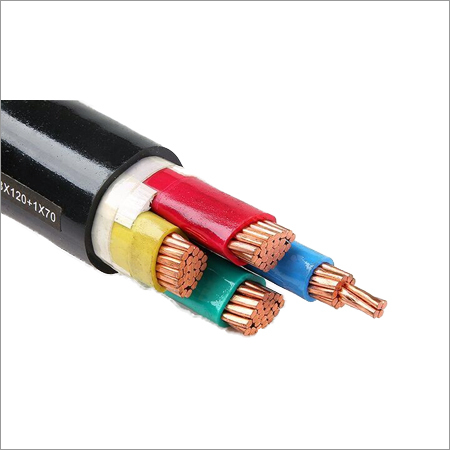
Tell us about your requirement

Price:
Quantity
Select Unit
- 50
- 100
- 200
- 250
- 500
- 1000+
Additional detail
Mobile number
Email

More Products in Welding Cables and Hose Pipes Category
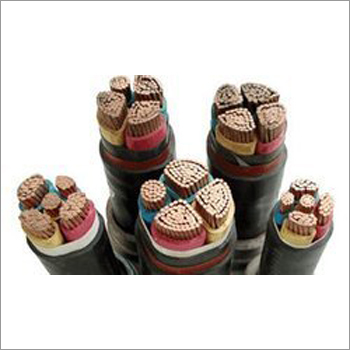
PVC Insulated Power Cables
Price 1 INR
Minimum Order Quantity : 10 Meters
Dimensions : Varies (as per customer requirement)
Material : Copper/Aluminium Conductor, PVC Insulated
Type : PVC Insulated Power Cables
Diameter : Varies as per cable size
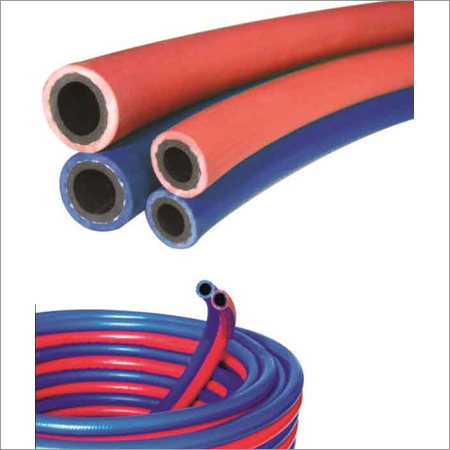
Gas Welding Hose Pipe
Price 1 INR
Minimum Order Quantity : 10 Meters
Dimensions : Standard Lengths (e.g., 8mm, 5m/10m/15m on request)
Material : Rubber, Reinforced PVC
Type : Gas Welding Hose Pipe
Diameter : 8 mm (other diameters may be available)
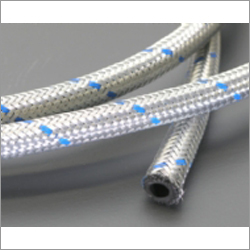
SS Flexible Hose Pipe
Price 1 INR / Meter
Minimum Order Quantity : 10 Meters
Dimensions : Customized as per requirement
Material : Stainless Steel (SS)
Type : Flexible Hose Pipe
Diameter : 1/4 inch to 12 inch
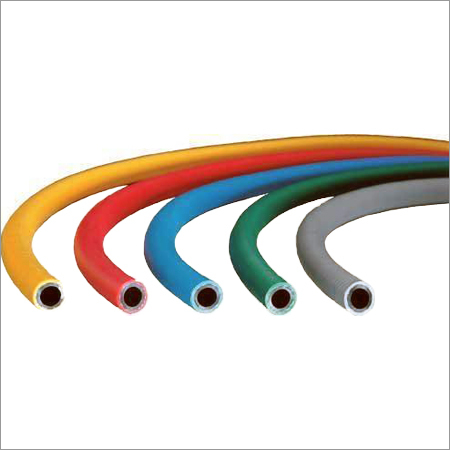
Rubber Welding Hoses
Price 1 INR
Minimum Order Quantity : 10 Meters
Dimensions : Customizable
Material : Synthetic Rubber
Type : Rubber Welding Hose
Diameter : 6 mm, 8 mm, 10 mm (options available)

 Send Inquiry

Shop No.- 101/103, Nagdevi Street, Near 1st Md. Ali Road, Mumbai - 400003, Maharashtra, India

Mr. Sameer Desai
(Proprietor)
Mobile :08045479840
Mr. Paresh Desai
(Marketing)
Mobile :08045479840
 Send Inquiry
 Send SMS
Developed and Managed by Infocom Network Private Limited.
 English
 Spanish
 French
 German
 Italian
 Chinese (Simplified)
 Japanese
 Korean
 Arabic
 Portuguese