
Call us now :08045479840
 Send Inquiry
 Send Inquiry
Rubber Welding Hoses
MOQ : 10 Meters
Rubber Welding Hoses Specification
- Welding
- Gas Welding
- Diameter
- 6 mm, 8 mm, 10 mm (options available)
- Equipment Type
- Welding Hose
- Application
- Welding Equipment, Industrial Gas Conveyance
- Automation Grade
- Manual
- Type
- Rubber Welding Hose
- Condition
- New
- Material
- Synthetic Rubber
- Dimensions
- Customizable
- Reinforcement
- High tensile synthetic yarn
- End Fittings
- Brass couplings or as specified
- Color
- Red (for Acetylene), Blue (for Oxygen)
- Temperature Range
- -20°C to +70°C
- Burst Pressure
- up to 60 bar
- Length
- Standard 15m, 20m, 30m or as required
- Working Pressure
- up to 20 bar
- Tube
- Smooth, weather and abrasion resistant
Rubber Welding Hoses Trade Information
- Minimum Order Quantity
- 10 Meters
- Supply Ability
- 100 Meters Per Day
- Delivery Time
- 1 Week
About Rubber Welding Hoses
With the support of our employees, we are considered as one of the reputed companies engaged in supplying Rubber Welding Hoses. These are available in different colors and specifications for multiple uses. Synthetic rubber is blended with polymers and plasticizers for the construction of these cables. They offer different physical and mechanical properties including elastomer properties, high durability, is flame retardant and resistant towards hydrocarbons and oils. These hoses are made under the supervision of experts, with high-grade materials and the latest technologies. Rubber Welding Hoses are used in various areas including gas welding, gas cutting and in a pneumatic hose or any type of gas flow.
Versatile Hose Solutions for Welding Needs
Designed specifically for gas welding and industrial gas distribution, these rubber hoses offer flexibility in length and diameter to suit diverse applications. Their high tensile synthetic yarn reinforcement ensures durability, while brass end fittings provide secure connections, supporting smooth weld operations across varied settings.
Quality Engineering for Safety and Performance
Each hose undergoes thorough quality inspection to meet rigorous industry requirements. The abrasion and weather-resistant tube extends longevity, making them ideal for both indoor workshops and outdoor environments. Their consistent performance under high pressure safeguards equipment and optimizes worker safety.
FAQs of Rubber Welding Hoses:
Q: How should rubber welding hoses be properly maintained to maximize their lifespan?
A: Regularly inspect hoses for signs of wear, cracks, or leaks, and ensure connections with brass fittings remain tight. Store them away from direct sunlight and corrosive chemicals, and avoid kinking during use or storage to prolong the hoses durability.Q: What are the primary uses for these rubber welding hoses?
A: These hoses are primarily used for conveying oxygen and acetylene gases in manual gas welding equipment and are suitable for various industrial gas processes due to their high resistance to weather, abrasion, and elevated pressures.Q: When is it necessary to replace the welding hose?
A: Replace the hose immediately if you notice any damage, bulging, or stretching beyond normal dimensions, or if the hose fails a pressure or leak test. Routine checks before each use are recommended to ensure operational safety.Q: Where can these hoses be sourced or customized?
A: You can obtain or customize these hoses through authorized distributors, suppliers, or traders in India. Custom requests regarding length, diameter, and fittings are typically accommodated to meet specific project requirements.Q: What makes these hoses suitable for harsh industrial environments?
A: Their synthetic rubber construction, reinforced with high-tensile yarn, provides excellent resistance to weather, abrasion, and pressure changes, making them dependable for continuous use in both indoor and outdoor industrial settings.Q: What benefits do color-coded hoses provide in welding operations?
A: Color coding (red for acetylene, blue for oxygen) helps prevent gas mix-ups, increasing safety and making it easier for workers to identify and handle the correct hose during setup and usage.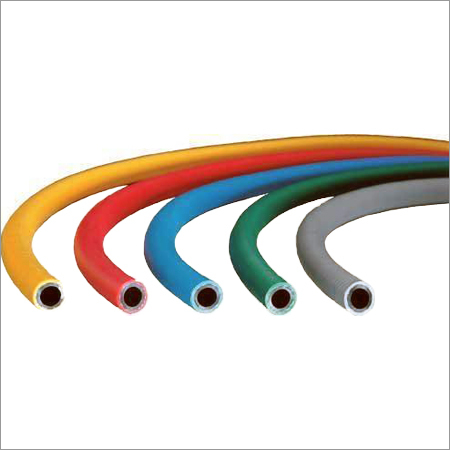
Tell us about your requirement

Price:
Quantity
Select Unit
- 50
- 100
- 200
- 250
- 500
- 1000+
Additional detail
Mobile number
Email

More Products in Welding Cables and Hose Pipes Category
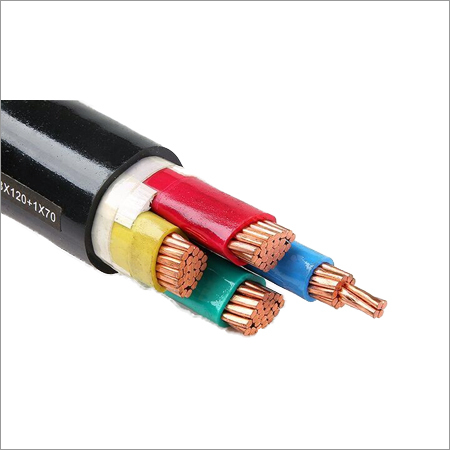
Insulated Welding Cables
Price 1 INR
Minimum Order Quantity : 10 Meters
Application : Industrial Welding, Fabrication, Construction, Shipbuilding, Automobile Workshops
Condition : New
Equipment Type : Welding Cable
Diameter : Available in various diameters as per specification
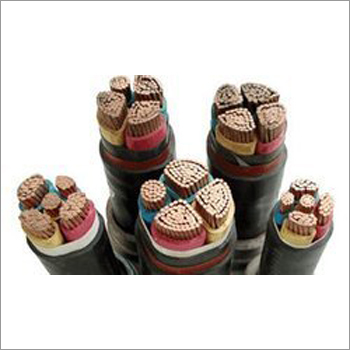
PVC Insulated Power Cables
Price 1 INR
Minimum Order Quantity : 10 Meters
Application : Electrical Power Distribution, Industrial, Commercial, Residential Use
Condition : New
Equipment Type : Power Cable
Diameter : Varies as per cable size
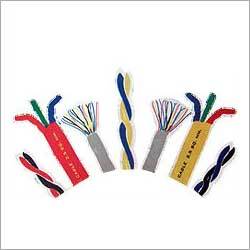
House Wiring Cables
Price 1 INR
Minimum Order Quantity : 10 Meters
Application : Domestic and commercial wiring
Condition : New
Equipment Type : Electrical Cable
Diameter : Standard sizes: 0.5 mm to 6 mm
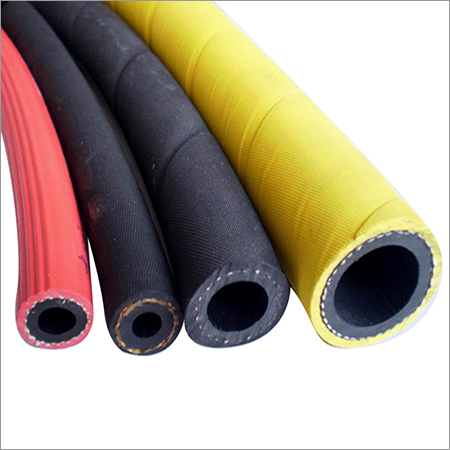
High-Grade Synthetic Rubber Welding Hoses
Price 1 INR / Piece
Minimum Order Quantity : 10 Meters
Application : Welding and Cutting Operations in Industrial, Automotive, and Construction Sectors
Condition : New
Equipment Type : Welding Hose
Diameter : 6 mm, 8 mm, 10 mm, 12 mm (Internal Diameter options as per requirement) Millimeter (mm)

 Send Inquiry

Shop No.- 101/103, Nagdevi Street, Near 1st Md. Ali Road, Mumbai - 400003, Maharashtra, India

Mr. Sameer Desai
(Proprietor)
Mobile :08045479840
Mr. Paresh Desai
(Marketing)
Mobile :08045479840
 Send Inquiry
 Send SMS
 Call Me Free
Developed and Managed by Infocom Network Private Limited.
 English
 Spanish
 French
 German
 Italian
 Chinese (Simplified)
 Japanese
 Korean
 Arabic
 Portuguese