
Call us now :08045479840
 Send Inquiry
 Send Inquiry
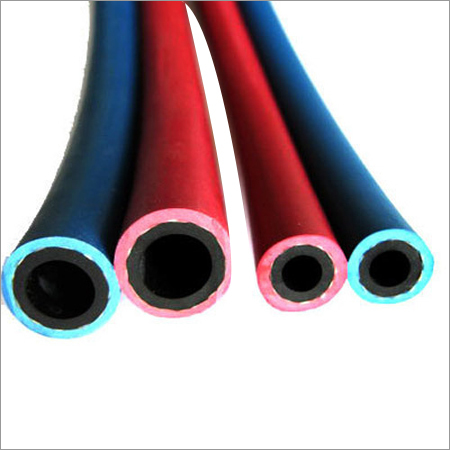
Rubber Welding Hoses
Price 1 INR/ Piece
MOQ : 10 Meters
Rubber Welding Hoses Specification
- Equipment Type
- Welding Hose
- Automation Grade
- Manual
- Diameter
- 6 mm, 8 mm, 10 mm, 12 mm (Internal Diameter options as per requirement)
- Welding
- Oxy-Acetylene/Gas Welding Applications
- Application
- Welding and Cutting Operations in Industrial, Automotive, and Construction Sectors
- Type
- Rubber Welding Hoses
- Condition
- New
- Material
- High-Grade Synthetic Rubber
- Dimensions
- Standard Lengths (such as 8, 10, 15, 20 meters) or as required
- Rated Capacity
- Up to 300 psi (varies by model)
- Usage
- Oxygen, Acetylene, LPG, other fuel gases
- Burst Pressure
- >50 Bar
- Packaging
- Coils with polythene wrapping
- Working Pressure
- 15 Bar (217 psi)
- Compliance
- IS 447:1988, ISO 3821
- Reinforcement
- High tensile synthetic yarn
- Inner Tube
- Seamless synthetic rubber, resistant to fuel gases
- Fittings
- Brass/ MS Couplings
- Color
- Red/Blue/Green (for identification)
- Cover
- Abrasion, weather, and ozone resistant rubber
- Temperature Range
- -20°C to +70°C
- Flexibility
- Excellent flexibility and kink resistance
Rubber Welding Hoses Trade Information
- Minimum Order Quantity
- 10 Meters
- Supply Ability
- 100 Meters Per Day
- Delivery Time
- 1 Week
- Main Domestic Market
- All India
About Rubber Welding Hoses
With the aim to be a pioneer in our domain, we are supplying Industrial Rubber Welding Hoses for years now. These hoses are available in different specifications for multiple usages. They are constructed by blending polymers and plasticizers with synthetic rubber. Their mechanical and physical properties include high flexibility, flame retardants, filler-free and oil resistant. These Industrial Rubber Welding Hoses can be used in a pneumatic hose, gas welding hose, and in any type of gas flow. To provide best quality hoses, these are made under the supervision of our experts using high-grade raw materials and latest technologies.
Superior Safety and Compliance
Each hose adheres to stringent IS 447:1988 and ISO 3821 compliance standards, ensuring safety and reliability for all welding and cutting applications. The abrasion, weather, and ozone-resistant cover maintains integrity in demanding conditions, minimizing replacements and downtime.
Color-Coded for Easy Identification
Distinctive red, blue, and green color options enable quick, accurate gas line identification, which is vital for safety during welding and cutting tasks. This color marking streamlines installation and daily operations, helping prevent potentially hazardous mix-ups.
Flexible and Robust Construction
High-grade synthetic rubber with seamless inner tubing delivers superior flexibility and kink resistance, allowing easy maneuvering in tight workspaces. Reinforcement with high-tensile yarn ensures stability under pressure and extends overall hose lifespan.
FAQs of Rubber Welding Hoses:
Q: How can I identify the correct hose for oxygen, acetylene, or LPG applications?
A: The hoses are color-codedred, blue, and greenfor quick identification of different gases. Typically, red hoses are for acetylene, blue for oxygen, and green for other fuel gases such as LPG, complying with standard practices and enhancing safety during installation and use.Q: What reinforcement and safety features make these hoses suitable for industrial welding operations?
A: These hoses feature high-tensile synthetic yarn reinforcement and a seamless synthetic rubber tube, offering resistance to fuel gases, excellent flexibility, and high kink resistance. The cover is specifically designed to resist abrasion, weather, and ozone, while compliance with IS 447:1988 and ISO 3821 standards ensures operational safety.Q: When is it advisable to replace a rubber welding hose?
A: It is recommended to inspect hoses regularly and replace them if there are visible signs of wear, cuts, excessive kinks, leaks, or if the hose fails to maintain pressure. Replacement is crucial if any part is damaged, to ensure safety and continue compliance with regulatory standards.Q: Where are these rubber welding hoses commonly used?
A: These hoses are widely used in industrial, automotive, and construction sectors for welding and cutting operations. Their versatility allows them to handle a variety of fuel gases, making them suitable for use in diverse welding environments across India and globally.Q: What is the process for connecting these hoses to welding equipment?
A: These hoses are fitted with brass or mild steel (MS) couplings, ensuring secure, leak-proof connections with welding equipment. Always ensure that fittings are tightly secured and regularly checked for wear to maintain safety during welding operations.Q: What benefits do abrasion and ozone-resistant covers provide?
A: An abrasion, weather, and ozone-resistant rubber cover extends the hoses lifespan, reduces maintenance frequency, and ensures performance even in harsh environments. This results in greater reliability and reduced operational costs over time.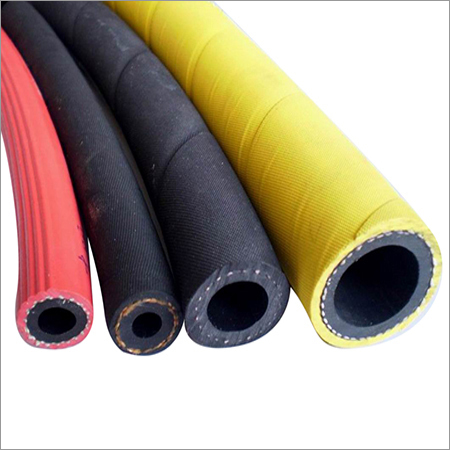
Tell us about your requirement

Price:
Quantity
Select Unit
- 50
- 100
- 200
- 250
- 500
- 1000+
Additional detail
Mobile number
Email

More Products in Welding Cables and Hose Pipes Category
House Wiring Cables
Price 1 INR
Minimum Order Quantity : 10 Meters
Diameter : Standard sizes: 0.5 mm to 6 mm
Automation Grade : Manual Installation
Application : Domestic and commercial wiring
Condition : New
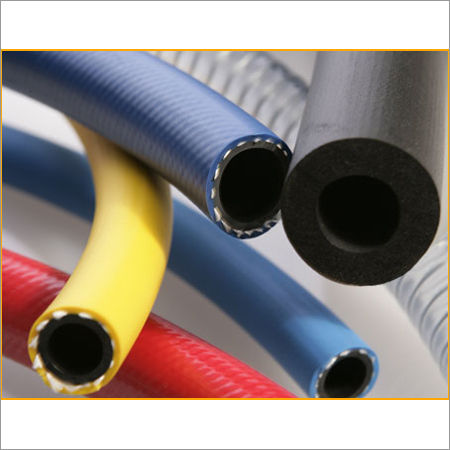
Industrial Rubber Hoses
Price 1 INR
Minimum Order Quantity : 10 Meters
Diameter : 1/2 inch to 12 inch (custom sizes available)
Automation Grade : Manual
Application : Industrial fluid and air transfer, hydraulic systems, chemical handling
Condition : New
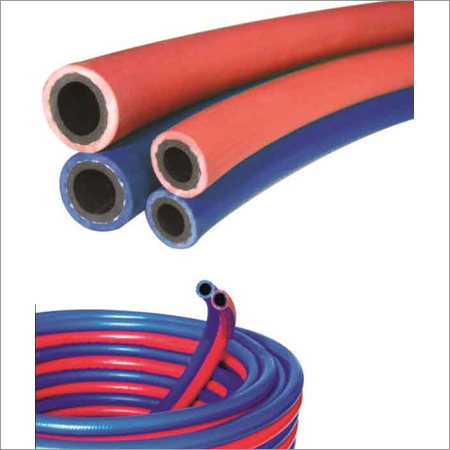
Gas Welding Hose Pipe
Price 1 INR
Minimum Order Quantity : 10 Meters
Diameter : 8 mm (other diameters may be available)
Automation Grade : Manual
Application : Welding, Cutting, Industrial Gas Supply
Condition : New
Rubber Hose Pipes
Price 1 INR
Minimum Order Quantity : 10 Meters
Diameter : 12mm to 150mm
Automation Grade : Manual
Application : Industrial, Agricultural, Construction, Water Delivery
Condition : New

 Send Inquiry

Shop No.- 101/103, Nagdevi Street, Near 1st Md. Ali Road, Mumbai - 400003, Maharashtra, India

Mr. Sameer Desai
(Proprietor)
Mobile :08045479840
Mr. Paresh Desai
(Marketing)
Mobile :08045479840
 Send Inquiry
 Send SMS
 Call Me Free
Developed and Managed by Infocom Network Private Limited.
 English
 Spanish
 French
 German
 Italian
 Chinese (Simplified)
 Japanese
 Korean
 Arabic
 Portuguese