
Call us now :08045479840
 Send Inquiry
 Send Inquiry
Surface Grinding Wheel
MOQ : 10 Meters
Surface Grinding Wheel Specification
- Diameter
- 200 mm (Other sizes available upon request)
- Application
- Surface Grinding, Precision Finishing of Metals, Tool Room and Production
- Equipment Type
- Grinding Wheel
- Automation Grade
- Manual
- Type
- Surface Grinding Wheel
- Condition
- New
- Material
- Abrasive (Aluminum Oxide or Silicon Carbide, Vitrified Bond)
- Dimensions
- Variable (Commonly 200 mm diameter x 20 mm width x 31.75 mm bore)
- Packaging
- Box Packed and Sealed for Safety
- Usage
- Dry and Wet Grinding Supported
- Bond Type
- Vitrified or Resin Bond
- Compatibility
- Suitable for all standard surface grinding machines
- Hardness Grade
- Available in multiple grades (Soft, Medium, Hard)
- Grit Size
- Available in various grits (e.g., 24120)
- Shape
- Straight, Cup, or Dish (varies by model)
- Color
- Gray or Green (depends on abrasive type)
- Maximum Speed
- Typically up to 3,500 rpm
Surface Grinding Wheel Trade Information
- Minimum Order Quantity
- 10 Meters
- Supply Ability
- 100 Meters Per Day
- Delivery Time
- 1 Week
About Surface Grinding Wheel
With the support of our diligent employees, we are engaged in supplying Surface Grinding Wheel. It is a tool used in the process of surface grinding, wherein it cuts chips of metallic or non-metallic substance from a workpiece. This helps in making the surface of the workpiece flat and smooth. Different oxide layers and impurities are removed from the workpiece surfaces, by using this wheel. This grinding wheel is not limited to a cylindrical shape and can have a myriad of options. Surface Grinding Wheel can contribute to the making of sharpened metal stamping die sets, flat shear blades and fixture bases or any flat or parallel surface.
Versatility Across Applications
Designed for use in metal surface grinding, precision finishing, and tool room projects, these wheels adapt to distinct industrial and workshop needs. Their variable dimensionsmost commonly 200 mm diameterallow application flexibility, while custom sizes can be provided on request. With reliable performance in both manual and automated setups, they offer dependable results for both production and repairs.
Quality Materials and Safety
Manufactured using premium Aluminum Oxide or Silicon Carbide abrasives with vitrified or resin bonds, these wheels ensure consistent grinding quality. Carefully packaged in sealed boxes, each wheel maintains its structural integrity during transport and handling, upholding stringent safety standards. The available colorsgray or greendenote the type of abrasive material used, contributing to easy identification and selection.
FAQs of Surface Grinding Wheel:
Q: How do I determine the correct grit size and hardness grade for my grinding application?
A: Selecting the appropriate grit size and hardness grade depends on your specific surface finishing needs. For coarse grinding and rapid material removal, opt for lower grit numbers (2446), while higher grits (80120) are best for fine, precision finishing. Soft wheels are ideal for harder materials, whereas harder wheels suit softer substrates. Assess the workpiece and finish requirements before choosing.Q: What types of surface grinding machines are these wheels compatible with?
A: These Surface Grinding Wheels are designed to fit all standard surface grinding machines, ensuring straightforward integration into your existing equipment. The 200 mm diameter x 20 mm width x 31.75 mm bore fits most machines, and other sizes can be requested to match specialized equipment.Q: When should I choose between a straight, cup, or dish wheel shape?
A: Select the wheel shape based on your grinding process and workpiece profile. Straight wheels are favored for flat surface finishes, cup wheels are suited to contour work or tool sharpening, and dish wheels handle specialized edge or form grinding. Consider the geometry of your project before selecting the shape.Q: Where should I use wet versus dry grinding with these wheels?
A: Wet grinding is recommended for minimizing heat buildup, reducing dust, and extending wheel life in high-precision or heavy-duty applications. Dry grinding is suitable for general-purpose surface grinding or when liquid coolant is not feasible. Assess your workspace and material before deciding on wet or dry operation.Q: What is the benefit of vitrified versus resin bond types for these grinding wheels?
A: Vitrified bonds offer high strength, durability, and consistent cutting performance, making them ideal for heavy-duty, high-precision grinding. Resin bonds provide flexibility and shock resistance, favoring applications requiring smoother finishes or lower heat generation. Choosing the right bond enhances both efficiency and workpiece quality.Q: How should new grinding wheels be handled and stored before use?
A: Store grinding wheels in their original sealed box to maintain safety and prevent damage from moisture or impact. Handle with care when installing, and inspect for cracks or chips prior to use to ensure safe operation. Always follow manufacturer guidelines for maximum speed and correct installation procedures.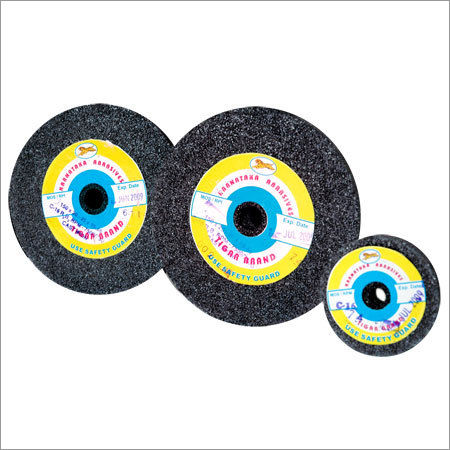
Tell us about your requirement

Price:
Quantity
Select Unit
- 50
- 100
- 200
- 250
- 500
- 1000+
Additional detail
Mobile number
Email

More Products in Gas Cutting and Welding Equipments Category
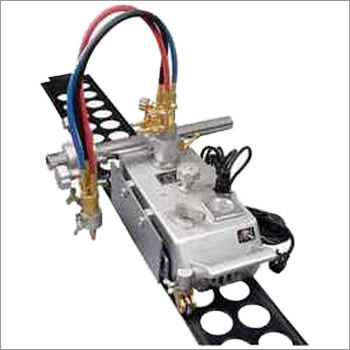
Portable Profile Gas Cutting Machine
Price 1 INR / Meter
Minimum Order Quantity : 10 Meters
Type : Portable Profile Gas Cutting Machine
Condition : New
Material : Aluminum Body with Stainless Steel Components
Dimensions : 350 mm x 210 mm x 180 mm
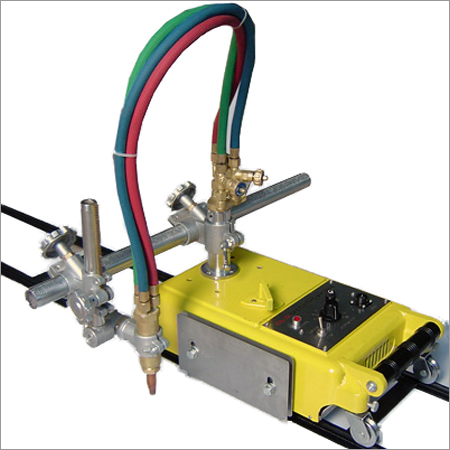
CNC Gas Cutting Machine
Price 1 INR
Minimum Order Quantity : 10 Meters
Type : CNC Gas Cutting Machine
Condition : New
Material : Mild Steel
Dimensions : 4000 mm x 2000 mm
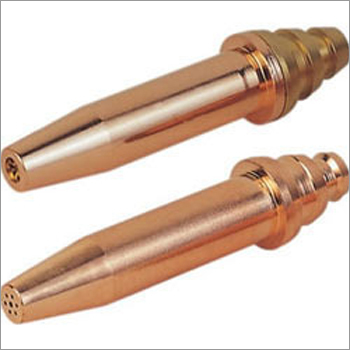
Gas Cutting Torch Nozzle
Price 1 INR / Meter
Minimum Order Quantity : 10 Meters
Type : Gas Cutting Torch Nozzle
Condition : New
Material : Copper Alloy
Dimensions : Standard Size
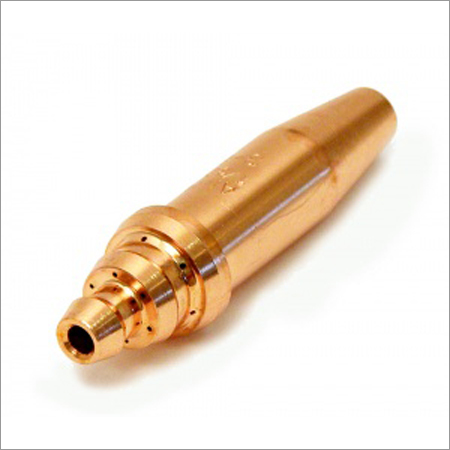
Gas Cutting Nozzle
Price 1 INR
Minimum Order Quantity : 10 Meters
Type : Gas Cutting Nozzle
Condition : New
Material : Copper/Brass Alloy
Dimensions : Standard

 Send Inquiry

Shop No.- 101/103, Nagdevi Street, Near 1st Md. Ali Road, Mumbai - 400003, Maharashtra, India

Mr. Sameer Desai
(Proprietor)
Mobile :08045479840
Mr. Paresh Desai
(Marketing)
Mobile :08045479840
 Send Inquiry
 Send SMS
Developed and Managed by Infocom Network Private Limited.
 English
 Spanish
 French
 German
 Italian
 Chinese (Simplified)
 Japanese
 Korean
 Arabic
 Portuguese